

Understanding the Costs of Cupping Therapy: A Deep Dive into Cupping Session Pricing

Cupping therapy has surged in popularity among athletes, active adults, and wellness enthusiasts alike. But beyond the intriguing circular marks and the buzz on social media, many ask: What does cupping therapy actually cost? More importantly, is it worth the investment for your body’s longevity, recovery, and movement literacy? Let’s unpack the science, the pricing, and the practicalities behind cupping therapy with a clear, clinical, yet energetic lens.
Why Understanding Cupping Session Pricing Matters
Cupping therapy is not just a trendy recovery tool; it’s a centuries-old practice rooted in movement and recovery science. The therapy involves placing suction cups on the skin to create negative pressure, which promotes blood flow, reduces muscle tension, and supports tissue repair. For those committed to disciplined resilience and sustainable performance, cupping can be a valuable part of a recovery toolkit.
However, the cost of cupping sessions varies widely depending on factors like location, practitioner expertise, session length, and the type of cupping used (wet, dry, or fire cupping). Understanding these variables helps you make informed decisions about your recovery investments.
Why does this matter? Because recovery is an ongoing process, not a one-time fix. Knowing the financial commitment upfront allows you to plan for consistent care, which is essential for long-term movement literacy and injury prevention.
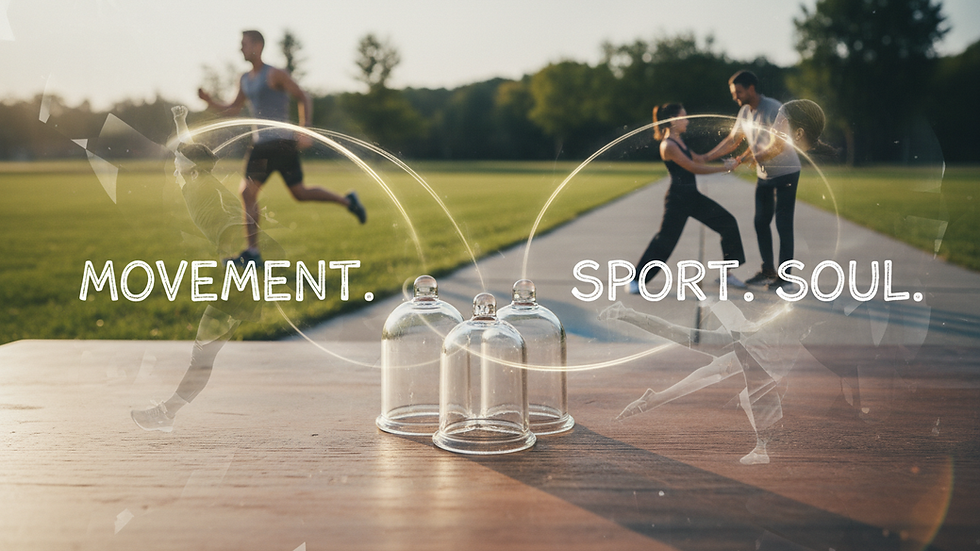
Caption: A typical glass cupping set used in clinical recovery sessions.
Breaking Down Cupping Session Pricing: What to Expect
When you ask, how much is a cupping session, the answer isn’t one-size-fits-all. Here’s a breakdown of the key factors influencing pricing:
1. Type of Cupping Therapy
Dry cupping: The most common and generally the least expensive. It involves suction only.
Wet cupping: Includes minor skin incisions to draw out blood, requiring more skill and hygiene protocols, thus costing more.
Fire cupping: Uses heat to create suction, often priced similarly to dry cupping but depends on practitioner expertise.
2. Session Length
Typical sessions last between 15 to 30 minutes.
Longer sessions or combined therapies (massage + cupping) increase the price.
3. Practitioner Credentials
Licensed physical therapists or clinicians with DPT-level expertise often charge more due to their advanced training.
Less experienced practitioners or those in less regulated markets may offer lower prices but with varying quality.
4. Location and Facility
Urban clinics or specialized recovery centers tend to have higher rates.
Community wellness centers or group workshops may offer more affordable options.
5. Package Deals and Memberships
Many clinics offer discounted rates for multiple sessions or membership plans.
Workshops and TeamCare programs can provide group access at reduced costs.
Typical Price Range
Single session: $40 to $120
Package of 5-10 sessions: $180 to $900 (depending on discounts)
Workshops or group sessions: $25 to $60 per participant
For a detailed look at pricing in your area, check out this how much is a cupping session guide.
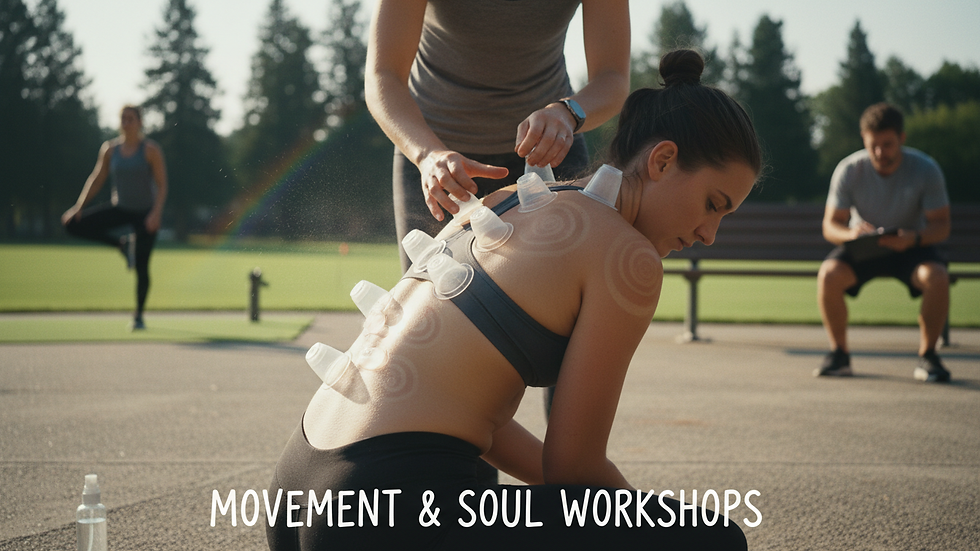
Caption: Silicone cups being applied during a clinical cupping therapy session.
Is Cupping Really Worth It?
This is the million-dollar question. From a clinical perspective, cupping therapy offers several benefits that justify the cost for many:
Improved blood flow and circulation: This accelerates tissue repair and reduces muscle soreness.
Enhanced lymphatic drainage: Helps clear metabolic waste from muscles.
Pain relief: Particularly for chronic muscle tightness and myofascial pain.
Movement literacy: Cupping can increase body awareness by highlighting areas of tension and restriction.
Mental recovery: The ritualistic and tactile nature of cupping can promote relaxation and stress reduction.
However, cupping is not a magic bullet. It works best as part of a comprehensive recovery plan that includes movement education, strength training, and proper nutrition. The lived story of Killing Kate, a seasoned athlete and clinician, underscores that disciplined resilience and consistent recovery practices yield the best outcomes.
If you’re considering cupping, weigh the benefits against your budget and recovery goals. For those committed to longevity and sustainable performance, cupping can be a valuable investment.
How to Maximize Your Investment in Cupping Therapy
To get the most out of your cupping sessions without breaking the bank, consider these practical tips:
Start with an assessment: A clinician-led evaluation can identify if cupping is appropriate for your specific needs.
Combine therapies: Pair cupping with movement education workshops or TeamCare programs to enhance recovery literacy.
Use DailyWellnessCup resources: Engage with daily recovery tips and movement drills to complement your sessions.
Explore package deals: Clinics often offer discounts for multiple sessions or group workshops.
Leverage community programs: Sponsor-supported access or Recovery Room On Wheels can provide affordable options.
Educate yourself: VALD education and the 365-day portal offer ongoing learning to deepen your understanding of recovery science.
By integrating cupping into a broader recovery ecosystem, you build a foundation for disciplined resilience and body awareness that pays dividends over time.
Taking Action: Your Next Steps in Recovery and Movement Literacy
Understanding the costs and benefits of cupping therapy is just the beginning. To truly harness the power of movement as medicine and recovery as light, consider these pathways:
Join a workshop: Clinician-led sessions that teach movement literacy and recovery tools.
Explore TeamCare programming: Group-based recovery and education tailored for teams and organizations.
Access the Recovery Room: A dedicated space for clinician-guided recovery services.
Engage with DailyWellnessCup: A 365-day content source for ongoing recovery education.
Partner or sponsor: Support community wellness initiatives that expand access to recovery literacy.
Each step deepens your connection to your body’s story and science, fostering sustainable performance and holistic stewardship.
Recovery is a journey, not a destination. By understanding cupping session pricing and integrating cupping therapy thoughtfully into your routine, you invest in a future of movement, resilience, and wellness that lasts.
Ready to explore cupping therapy and recovery education? Reach out to The Recovery Room by Kinematics with Kelly to learn more about workshops, TeamCare, and clinician-led services designed to empower your movement journey.

Comments